

La fascia risicola italiana affronta la stagione di siccità più dura dal 2022
I livelli dell'acqua ai minimi storici nella Valle del Po costringono il più grande produttore europeo di riso a razionare l'irrigazione, con gli agricoltori che già contano perdite per decine di milioni di euro
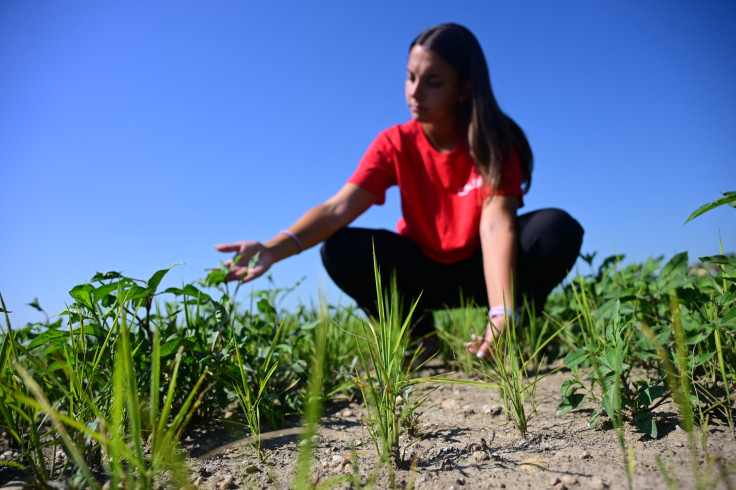
A Breme, un piccolo comune sul versante lombardo del fiume Po, Giuseppe Tagliabue quest'estate ha dovuto compiere una scelta che la sua famiglia non aveva mai dovuto affrontare in tre generazioni di coltivazione del riso. Con l'acqua sempre più scarsa, ha deciso di salvare parte dei campi e lasciare che il resto andasse perso.
"A causa di questa terribile carenza idrica, abbiamo dovuto fare scelte piuttosto drastiche", ha raccontato Tagliabue, spiegando come abbia dirottato tutta l'acqua che è riuscito a garantirsi verso una parte della sua tenuta, la Cascina Rinalda, abbandonando gli appezzamenti che non hanno mai raggiunto la maturazione. La sua azienda è una delle circa 3.500 nella fascia risicola italiana, concentrata nella Valle del Po, che ora affronta una siccità che i produttori locali definiscono più difficile da gestire rispetto alla grave carenza che colpì la regione nel 2022.
L'Italia coltiva più riso di qualsiasi altro Paese europeo, con circa 235.000 ettari seminati nel 2025, secondo l'ente nazionale del riso, Ente Nazionale Risi. Oltre l'80% di quel raccolto proviene dalle province settentrionali di Pavia, Vercelli e Novara, terre che da generazioni dipendono dall'acqua che scende dalle Alpi attraverso il bacino del Po. Questa dipendenza è ora il più grande punto debole della regione. L'Autorità di Bacino del Fiume Po ha dichiarato un livello elevato di severità idrica, avvertendo che le riserve nei laghi alpini che alimentano il fiume si stanno esaurendo. Il Lago Maggiore, una delle principali fonti per le risaie, è ora classificato in siccità estrema. I livelli dell'acqua del Po hanno recentemente toccato un minimo storico per questo periodo della stagione a Cremona.
Il riso ha bisogno di acqua stagnante per gran parte della stagione di crescita, e quest'anno quell'acqua semplicemente non c'è stata nei volumi necessari agli agricoltori. La risposta è stata un sistema di irrigazione costruito per la scarsità anziché per l'abbondanza.
Al consorzio di irrigazione Est Sesia, che rifornisce gran parte dell'area di coltivazione tra Lombardia e Piemonte, il responsabile idrico Franco Bullano ha detto che la carenza ha imposto un approccio finora mai necessario nella regione. "Quest'anno abbiamo dovuto introdurre un sistema di turnazione", ha spiegato, descrivendo uno schema in cui diverse sezioni dei terreni agricoli ricevono acqua a settimane alterne, così da far durare le scorte scarse sull'intero distretto. La turnazione ha finora tenuto lontana la maggior parte della regione dagli esiti peggiori, ha detto Bullano, ma i numeri di fondo non sono incoraggianti. "Tratteniamo solo il 10-11% delle precipitazioni", ha detto, un dato che indica quanta parte dell'acqua del bacino semplicemente non venga raccolta per l'uso prima che serva di più.
Alcuni nel settore stanno spingendo oltre, verso un cambiamento nel modo stesso in cui funzionano i campi. Alberto Lasagna, direttore della sede di Pavia dell'associazione agricola Confagricoltura, ha proposto un modello di "agricoltura dell'acqua" che userebbe il suolo stesso come serbatoio naturale, immagazzinando l'umidità sotto terra nei periodi più piovosi per rilasciarla quando l'estate diventa secca. È una soluzione a lungo termine, che richiederebbe di ripensare pratiche rimaste in gran parte invariate per decenni in una regione a lungo abituata ad avere acqua affidabile.
Il conto economico è già in fase di calcolo. La sede pavese di Confagricoltura stima che il settore risicolo locale possa perdere oltre 100 milioni di euro, circa 116 milioni di dollari, in questa stagione, una cifra che il gruppo attribuisce non solo alla siccità ma anche all'aumento dei costi di produzione e al calo dei prezzi del risone, mentre le importazioni più economiche da fuori dell'Unione Europea competono per quote di mercato. Questa combinazione è importante per come va letta la vicenda. La siccità è reale e ben documentata dai dati di monitoraggio della stessa Autorità di Bacino del Po, ma colpisce un settore già sotto pressione finanziaria separata a causa della concorrenza commerciale globale, e distinguere quanto delle perdite di ogni singolo agricoltore derivi dal meteo piuttosto che dai prezzi non è qualcosa che i dati attuali chiariscono in modo netto.
Per i lettori americani, il collegamento passa dalla dispensa più che dal portafoglio direttamente, almeno per ora. L'Arborio e il Carnaroli, le varietà a chicco corto usate per il risotto, sono coltivati in gran parte proprio in questa fascia del Nord Italia, e il fornitore di dati commerciali Volza classifica gli Stati Uniti come il più grande importatore mondiale di riso Arborio, con la maggior parte delle spedizioni provenienti da Italia, Pakistan e Spagna. Un raccolto più ridotto nella Valle del Po non significa automaticamente prezzi più alti sugli scaffali dei supermercati statunitensi. Parte del riso Arborio viene coltivato internamente in stati come la California, offrendo a rivenditori e importatori una fonte alternativa a cui appoggiarsi, e l'entità di un eventuale trasferimento sui prezzi al dettaglio negli Stati Uniti non è ancora quantificata nei dati disponibili. Ciò che è misurabile è il rischio dal lato dell'offerta: meno acqua disponibile alla fonte riduce il margine in un mercato del riso specialistico che si stava già stringendo per la concorrenza delle importazioni e la pressione sulle rese nelle ultime stagioni.
Se questa stagione finirà per rivaleggiare con il 2022, quando una siccità comparabile devastò la produzione italiana di riso, dipenderà molto da quanta pioggia e neve scioglieranno le Alpi prima del raccolto, atteso tra settembre e ottobre in gran parte della Valle del Po. L'Autorità di Bacino del Po continua ad aggiornare le proprie classificazioni di severità della siccità durante la stagione, e l'Ente Nazionale Risi pubblica in genere le stime dei volumi di raccolto una volta terminata la mietitura. Queste pubblicazioni, insieme a eventuali stime aggiornate dei danni da parte di Confagricoltura, saranno i prossimi dati concreti che mostreranno se le misure di razionamento di quest'anno siano bastate a contenere la situazione.
Per ora, la vicenda è quella di una regione che improvvisa di fronte a una risorsa data a lungo per scontata. Tagliabue ha detto che rinunciare del tutto al riso non è un'opzione realistica per un'azienda costruita interamente attorno a esso. "Le nostre aziende sono interamente orientate al riso, dagli essiccatoi ai macchinari", ha detto. "Cambiare coltura significa cambiare anche molte altre cose. Non è così semplice." Questo è il compromesso che la fascia risicola italiana sta affrontando in tempo reale, campo per campo, settimana per settimana, mentre aspetta di vedere quanta parte del raccolto di quest'anno arriverà alla mietitura.
Pubblicato originariamente su Money Times
© {{Year}} MoneyTimes.com All rights reserved. Do not reproduce without permission.